Avoid garden maintenance mistakes Forest Hill gardeners: a practical guide for healthier, easier gardens
If you are trying to avoid garden maintenance mistakes Forest Hill gardeners often run into, you are probably dealing with the same mix of issues many London gardens face: patchy lawns, hedges that get away from you, tired borders, and that nagging feeling that the job is never quite finished. Truth be told, it usually is not one big mistake. It is a handful of small ones piling up.
This guide pulls those problems apart in plain English. You will learn what really goes wrong, why it matters in a busy Forest Hill garden, how to correct the pattern, and when it makes sense to get help from a trusted local team such as the one behind professional garden maintenance. No fluff. Just useful, real-world advice you can act on this week.
Let's face it, gardens rarely fail overnight. They drift. One missed cut here, one overwatering habit there, and suddenly the borders look tired, the lawn feels spongy, and the whole space needs more work than it should. The good news? Most of that is preventable.
Table of Contents
- Why avoiding garden maintenance mistakes matters
- How good garden maintenance works in practice
- Key benefits and practical advantages
- Who this is for and when it makes sense
- Step-by-step guidance
- Expert tips for better results
- Common mistakes to avoid
- Tools, resources and recommendations
- Law, compliance, standards and best practice
- Options, methods and comparison table
- Case study or real-world example
- Practical checklist
- Conclusion
- Frequently asked questions
Why Avoid garden maintenance mistakes Forest Hill gardeners Matters
Forest Hill gardens have their own personality. Some are compact and shaded, some are long and narrow, some sit on slopes, and many are exposed to the usual London mix of pollution, seasonal swings, and limited working time. That combination makes garden maintenance a little less forgiving than people expect.
A simple missed task can turn into a visible issue quickly. For example, if a lawn is cut too short during a dry spell, it can brown off fast. If hedges are trimmed at the wrong time, you may lose shape for months. If fallen leaves are left to rot across a border, the soil surface can get clogged and damp, which is no friend to young plants. Small jobs matter. A lot.
There is also the practical side. Mistakes waste water, fuel, compost, labour, and your own time. They can also increase the risk of slips, overgrowth, pest issues, and garden features wearing out earlier than they should. In a town garden, where every square metre counts, that is not a minor point.
For homeowners, landlords, tenants, and anyone trying to keep outdoor space usable through the year, the aim is not perfection. It is steady control. Good maintenance is about preventing avoidable work later. That is what keeps the garden pleasant rather than punitive.
Expert summary: The biggest maintenance mistakes are usually not dramatic. They are small routine errors: cutting at the wrong height, ignoring drainage, pruning carelessly, and letting tasks drift until they become urgent. Fix the routine, and most garden problems ease up.
How Avoid garden maintenance mistakes Forest Hill gardeners Works
Good garden maintenance is a rhythm, not a one-off tidy-up. The process usually starts with observation: what is growing well, what is struggling, what is blocking light, and what is collecting water or debris. Once you know that, the work becomes more intentional.
In a typical Forest Hill setting, maintenance works best when you divide the garden into regular zones: lawn, hedges, borders, paths, sheds, fences, and any timber or hard landscaping such as decking. That makes it easier to notice what needs doing before it becomes messy or expensive. A garden that looks "fine from the kitchen window" can still have a lot going on at ground level. You know the sort of thing.
Maintenance also works better when the tasks are matched to the season. Spring is often about recovery and growth, summer is about control and watering discipline, autumn is about clearing and protecting, and winter is about structure, safety, and planning. Do the right task at the right time and everything feels easier. Do the right task at the wrong time and you can undo your own effort.
If you prefer a managed approach, the full services overview can help you think about which jobs sit together, while specialist work such as lawn mowing, hedge trimming, or garden clearance may be the right fit when the garden has got beyond a quick tidy.
Key Benefits and Practical Advantages
When maintenance is done well, the benefits show up in visible and less visible ways. Some are obvious straight away, others creep in over time.
- Healthier plants: Regular attention reduces stress, disease spread, and accidental damage.
- Better-looking outdoor space: Neat edges, balanced hedges, and managed growth make a garden feel cared for.
- Lower long-term cost: Preventing overgrowth or decay is usually cheaper than rescuing it later.
- Safer movement: Clear paths, tidy cuts, and removed debris reduce slips and trip hazards.
- More usable space: A garden is more enjoyable when it is easy to walk through, sit in, and maintain.
- Less seasonal panic: A steady routine means you are not trying to do everything at once in a single weekend.
There is also a psychological benefit people underestimate. A tidy, well-kept garden changes how a home feels. Open the back door on a damp Tuesday morning and it matters whether the space looks calm or chaotic. It really does.
For many households, the smartest advantage is simply consistency. You stop playing catch-up. And once that pressure drops, maintenance feels manageable again instead of endless.
Who This Is For and When It Makes Sense
This advice is useful for a wide mix of people. Some are hands-on gardeners who want to improve their own routine. Others are busy homeowners in Forest Hill who just need a realistic plan that fits work, family, and unpredictable weather. It also suits landlords, letting agents, and property managers who need outdoor areas to stay presentable without constant drama.
It makes especially good sense if you are noticing any of these signs:
- the lawn is thinning or getting patchy
- hedges are losing shape or growing unevenly
- borders look overgrown even after tidying
- leaf build-up keeps returning
- paths and patios are slippery after rain
- you keep putting off the same tasks because they feel too big
There is no shame in needing help. Some gardens are simple, others are a bit stubborn. A narrow side return, a shaded courtyard, or a mature plot with old planting can be surprisingly demanding. In those cases, services like regular garden maintenance support or landscape gardening can be more sensible than trying to battle everything alone.
If the space also includes built elements such as timber structures or hardstanding, decking services and broader landscaping work may be relevant too. Maintenance and improvement often overlap more than people think.
Step-by-Step Guidance
Here is a practical way to keep the garden under control without turning every weekend into a chore-fest.
1. Walk the garden before you touch anything
Start with a slow walk. Look down, look up, and look at the edges. Check for weeds, brown patches, broken stems, blocked drainage, spongy ground, overhanging growth, and anything that looks out of proportion. This takes five minutes and saves a lot of guesswork.
2. Separate urgent jobs from routine jobs
Urgent jobs include hazards, broken branches, slippery surfaces, or plants that are clearly in distress. Routine jobs are mowing, edging, deadheading, pruning, and clearing debris. If you try to do everything in one go, the whole job can feel heavier than it is. Better to deal with the obvious problems first.
3. Cut grass with the season in mind
One of the classic mistakes is mowing too short, too often, or with blunt blades. A stressed lawn will show it. Keep the cut sensible, vary slightly with weather, and avoid scalping thin grass. If the lawn has become uneven or rough, a proper lawn mowing routine is usually more effective than occasional heroic effort.
4. Trim hedges carefully, not aggressively
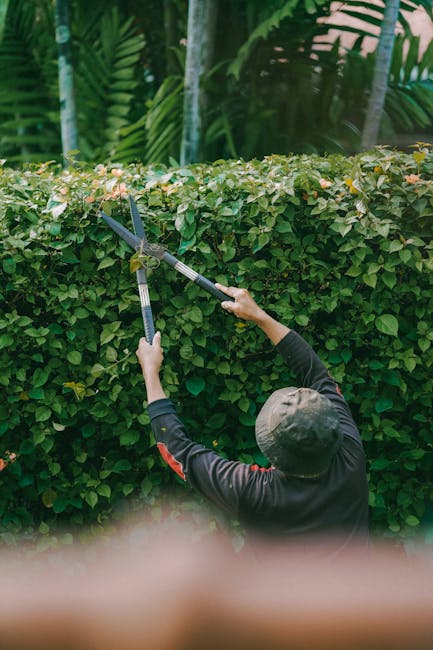
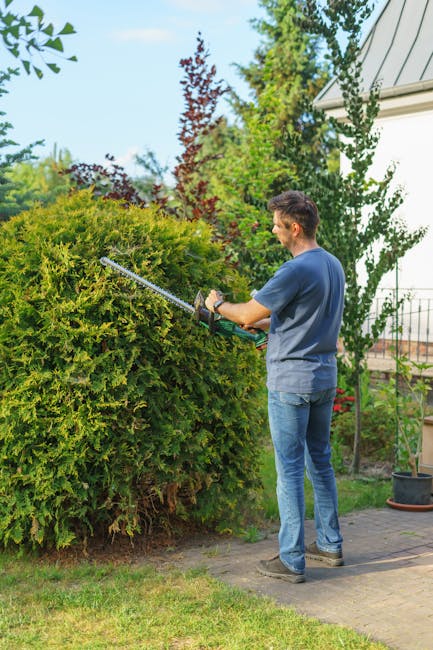
Hedges can recover from a lot, but not from everything. Hard cuts at the wrong time can leave gaps, scorch new growth, or upset shape for months. Trim in stages and stand back often. A quick glance from across the garden tells you more than ten minutes of staring at one branch. That sounds obvious, but people forget it.
5. Keep borders breathable
Dead stems, fallen leaves, and compacted mulch can smother plants. Light clearing helps air move and keeps the soil surface healthier. Remove anything diseased or rotten rather than burying it under fresh material.
6. Tackle water issues early
If water pools after rain, do not ignore it. Check for blocked outlets, soil that has compacted, or areas where planting is sitting in the wrong place. A garden can look "fine" on a dry day and still be quietly waterlogged underneath. Happens all the time.
7. Finish with a reset
Put tools away, clear the cuttings, stack reusable materials, and leave pathways open. This is the bit people skip, then regret two days later when the garden already looks messy again.
Expert Tips for Better Results
Here are the details that make the biggest difference in everyday use.
- Use sharp tools. Clean cuts heal better than torn ones, especially on hedges and shrubs.
- Work with weather, not against it. Damp conditions change how soil behaves and how safely you can move around.
- Do not overfeed tired plants. If the issue is poor soil or drainage, fertiliser alone will not solve it.
- Mulch sensibly. A little mulch helps retain moisture and suppress weeds, but too much can suffocate roots.
- Prune for shape and airflow. The goal is structure, not just size reduction.
- Watch for hidden wear. Fence lines, timber edges, and deck surfaces can collect moss or rot unnoticed if no one checks them.
One small habit makes a surprisingly big difference: keep a mental list of what went wrong last month. Was it weeds, shade, compaction, or time pressure? That little reflection stops you repeating the same cycle. Not glamorous, but effective.
If you are unsure whether a job is maintenance, clearance, or a bigger redesign, it can help to compare your options through pricing and quotes before deciding how far to go. Sometimes a modest intervention is enough. Sometimes it is not, and that is okay.
Common Mistakes to Avoid
This is the heart of the topic. If you want to avoid garden maintenance mistakes Forest Hill gardeners commonly make, start here.
- Cutting too much at once. Whether it is grass, shrubs, or hedges, overcutting creates stress and patchy recovery.
- Leaving clear-up until later. Cuttings, weeds, and dead material left in place can quickly undo the tidy-up.
- Ignoring seasonal timing. Some plants hate being pruned at the wrong moment. A well-meant cut can set them back for months.
- Watering on autopilot. More water is not always better. The right amount depends on soil, shade, and weather.
- Using the same routine all year. Summer and winter maintenance are different jobs with different priorities.
- Forgetting access and safety. Trips, slips, and awkward lifting are avoidable if you slow down and clear space first.
- Letting a small issue grow quietly. A few weeds, a thin patch of turf, or a leaning stem can become a bigger repair than expected.
- Trying to force every garden into the same pattern. A shady Forest Hill plot does not need the same care as a sunny, open one.
There is a slightly comic truth to all this: the garden will always remind you when you were "just going to leave it one more week." It has a memory, unfortunately.
If the problem is becoming too large to sort in a morning, specialist help can be a better investment than repeated small fixes. That is especially true where overgrowth, debris, or access problems are involved, and garden clearance may be the more practical first step.
Tools, Resources and Recommendations
You do not need a garage full of kit to keep a garden in good shape. A sensible core set is usually enough for most homes.
- a reliable lawn mower suited to the lawn size
- clean secateurs for light pruning
- hedge trimmers for shaping and tidying
- gloves that actually fit properly
- a rake and sturdy bags or buckets for cuttings
- a fork or spade for checking compacted areas
- a hose or watering can for targeted watering
- a broom or brush for hard surfaces and paths
On the planning side, simple seasonal notes work better than overcomplicated apps for many people. A notebook by the back door is still one of the best tools going. Write down what needs doing, what was completed, and what should wait until the weather improves.
If you want a broader view of what can be handled professionally, the services overview is a useful place to compare maintenance with related work such as tree lopping and removal or more extensive landscaping. And if sustainability matters to you, it is worth asking how green waste is managed and whether materials can be reused responsibly. A well-run garden is usually a tidier one, but also a more thoughtful one.
Law, Compliance, Standards, or Best Practice
Garden maintenance is not usually complicated from a legal standpoint, but there are still sensible standards to follow. In the UK, the big themes are safety, nuisance prevention, waste handling, and care around trees, structures, and access routes.
For example, if you are working near boundaries, shared areas, or public footpaths, it is wise to avoid creating hazards with cuttings, tools, or loose debris. If a tree appears unstable or significantly overgrown, it is better to assess it cautiously rather than assume it is safe to trim heavily. That is where services such as tree lopping and removal become relevant, especially when height, weight, or access are part of the problem.
Best practice also means handling waste properly, storing tools safely, and keeping walkways clear during work. If you are hiring help, it is reasonable to expect sensible communication about safety, insurance, and the scope of the job. A reputable provider should be able to explain how they work and what is included. You can also review pages like insurance and safety and health and safety policy to understand the standards a responsible company is aiming to meet.
Privacy and payment matter too, especially if you are booking services online or arranging access. It is completely fair to check payment and security and the site's privacy policy before sharing details. Good service should feel straightforward, not murky.
Options, Methods, or Comparison Table
Not every garden needs the same approach. Here is a simple comparison of the most common methods.
| Approach | Best for | Strengths | Limitations |
|---|---|---|---|
| DIY weekly maintenance | Smaller gardens and confident gardeners | Low cost, flexible timing, hands-on control | Easy to fall behind, equipment and time still needed |
| Monthly professional visits | Busy households and steady upkeep | Consistent results, less stress, fewer missed tasks | Less frequent than some gardens need in peak season |
| One-off tidy-up or clearance | Overgrown or neglected spaces | Fast reset, clears the backlog | Does not maintain the result unless followed up |
| Full maintenance plus landscaping support | Gardens needing repair and improvement | Longer-term structure, better flow, more usable space | More planning required, can take longer to complete |
In practice, many Forest Hill gardens do best with a hybrid model: a bit of DIY in-between, plus periodic professional support where the work is larger, heavier, or time-sensitive. That balance is usually the sweet spot.
Case Study or Real-World Example
Picture a typical mid-sized Forest Hill garden after a wet spring. The lawn has gone uneven because it was cut too short during a dry spell, the hedge has started to bulge on one side, and the borders have become crowded with old stems and self-seeded growth. Nothing catastrophic. Just untidy, and a bit demoralising.
What tends to happen next is familiar. The owner trims the hedge hard to "make it manageable," mows the lawn a bit lower to delay the next cut, and leaves the border clear-up for later because it is already getting late. By the end of the month, the hedge is uneven, the lawn has brown tips, and the border is looking worse than before. Classic trap.
The better approach is steadier. First clear the debris. Then raise the mowing height and restore consistency. Then shape the hedge lightly and only cut harder where it is genuinely safe to do so. Finally, refresh the border with a proper tidy rather than tearing everything out. The garden may not look transformed in one afternoon, but it starts to feel under control again. And that is the real win.
This is also where a professional about us page can help reassure you about the people behind the work, especially if you want a local team that understands the pace and pressure of London garden care. Some jobs just go better with a steady pair of hands.
Practical Checklist
Use this checklist before and during maintenance visits.
- Walk the garden and note urgent issues first
- Check for slippery paths, blocked drainage, and loose debris
- Cut grass at an appropriate height for the season
- Trim hedges lightly and review shape from a distance
- Remove dead or diseased material before mulching or feeding
- Keep borders open to air and light where possible
- Store tools safely and clear cuttings as you go
- Watch for overwatering and soil compaction
- Separate routine maintenance from larger repair work
- Schedule the next visit or task before you forget
If you can tick off most of those items, you are already ahead of the average maintenance routine. Not perfect. Just better. And that is usually enough to keep a garden looking cared for.
Conclusion
The best way to avoid garden maintenance mistakes Forest Hill gardeners face is to keep things steady, seasonal, and realistic. Most problems come from rushing, overdoing a task, or leaving small issues to snowball. Once you spot those habits, the fix is usually simple: slower observation, lighter cuts, better timing, and a more regular routine.
If your garden has started to feel like it is always one step ahead of you, do not panic. That is common, and very fixable. With the right plan, a bit of discipline, and the occasional expert hand where needed, the space can become calm again rather than a weekend burden.
Get a free quote today and see how much you can save.
And if you want the garden to feel easier to live with, not just tidier for a day, start small and keep going. That is usually where the good results begin.
Frequently Asked Questions
What are the most common garden maintenance mistakes in Forest Hill?
The most common mistakes are mowing too short, pruning at the wrong time, leaving debris behind, ignoring drainage, and letting tasks build up until the garden feels unmanageable.
How often should a typical London garden be maintained?
It depends on the size, planting, and season, but many gardens benefit from at least light attention every week or two during the growing season, with seasonal deeper work as needed.
Is it better to do garden maintenance myself or hire help?
If your garden is small and you have time, DIY can work well. If it is overgrown, awkward to access, or needs regular upkeep, professional help can save time and reduce mistakes.
Why does my lawn keep looking worse after mowing?
That usually points to cutting too low, using dull blades, mowing in the wrong conditions, or not mowing often enough to stay ahead of growth.
When should hedges be trimmed?
Hedge timing depends on the species and local conditions, so it is better to trim carefully and in stages than to assume every hedge wants the same treatment. Light, regular shaping is often safer than a severe cut.
What should I do before a garden clearance?
Sort out what is being kept, remove anything fragile or valuable, and make sure access routes are clear. If the space is heavily overgrown, a professional garden clearance service can make the reset much easier.
How do I know if my garden needs more than maintenance?
If you are dealing with broken surfaces, major drainage issues, or layout problems, the job may be closer to landscaping or repair work than routine maintenance.
What should I ask before hiring a gardener?
Ask what is included, how waste is handled, whether the work is insured, and how they manage safety on site. Those basics tell you a lot about professionalism.
Are there safety issues with DIY garden maintenance?
Yes. Slippery surfaces, sharp tools, awkward lifting, unstable branches, and hidden trip hazards can all cause problems, especially after rain or during a rushed tidy-up.
How can I keep maintenance costs under control?
The simplest way is to stay consistent, deal with small issues early, and avoid letting the garden slip into a bigger rescue job. Routine care is usually cheaper than a full catch-up.
Do I need different maintenance in winter and summer?
Yes, absolutely. Summer is more about growth control and watering, while winter is about structure, protection, and keeping the garden safe and tidy.
Can professional maintenance help with sustainability?
It can, especially when green waste is handled properly, plants are maintained rather than replaced unnecessarily, and work is planned so it lasts longer. For more on this approach, see recycling and sustainability.